Short-form video gets a brand noticed. It rarely gets a brand understood.
For the past few years, brands across Asia have poured budget into Reels, TikTok and other short clips built to stop the scroll. That work matters. But a growing number of global brands are now asking a different question: once someone notices us, what have we given them to explore?
A recent Vogue Business report on the return to long-form video describes the shift clearly. Rather than replacing short-form, brands and creators are using short clips for discovery and longer video, particularly on YouTube, for deeper engagement.
At Nous Asia, a Hong Kong based brand narrative studio and video production company, we see this as a strategic opportunity for brands in Hong Kong and across Asia Pacific. Not to make longer videos for their own sake, but to build a better connection between being seen, being understood and being chosen.
The short answer: short-form video is best used for discovery; long-form video is best used for depth, trust and consideration. The strongest brand video strategies in Asia plan both formats as one connected journey, with a clear next step for the viewer.
Table of Contents:
1. Why are brands returning to long-form video?
2. How to make brand video relevant in Hong Kong and Asia
3. How to choose creators for long-form video
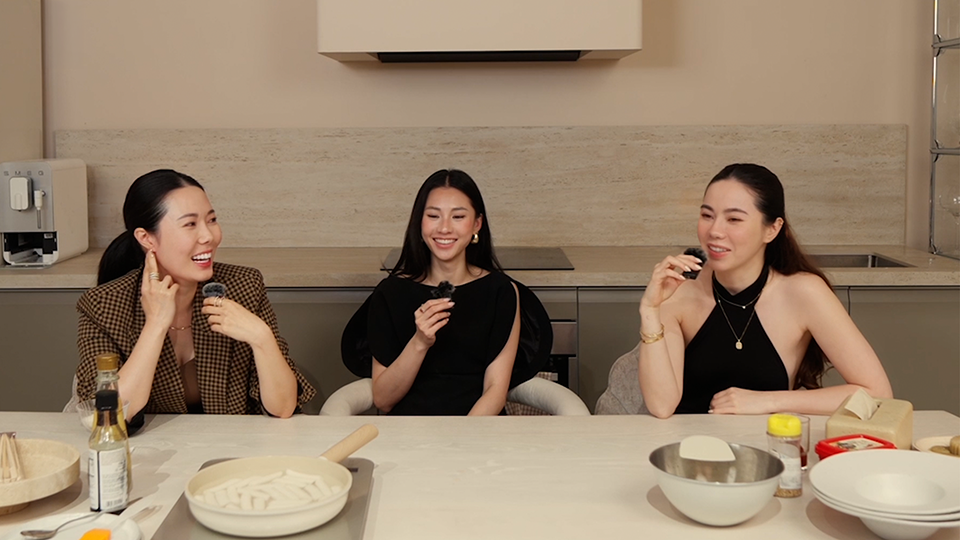
The Girls Girl Club: a long-form video podcast series produced by Nous Asia, a Hong Kong brand narrative studio, featuring creators Laiza, Tina and Sue Chang in unscripted conversation.Why are brands returning to long-form video?
Brands are returning to long-form video because short-form attention is easy to win but hard to keep. Long-form gives a brand room to explain how a product is made, why a founder made a difficult decision, or what an expert actually recommends: the stories that build trust before someone buys.
Industry research points the same way. In a 2024 study of marketers in the US and UK, Billion Dollar Boy found that 68% had increased production of long-form creator content over the previous 12 months, and 70% planned to increase it over the following year.
As Vogue Business reports, global brands including Coach, Chanel and Nike are now testing longer formats, from interview-led series to behind-the-scenes films and athlete storytelling. The formats differ, but the principle is shared: give audiences something worth watching beyond a product announcement.
Short-form and long-form are not rivals
Treating the two formats as competitors creates an unnecessary choice. A more useful approach is to give each piece of content a clear role:
Discovery: a short clip introduces one compelling idea.
Exploration: a brand film, interview, demonstration or conversation develops that idea.
Action: a product page, guide or enquiry form offers a relevant next step.
Consider a design brand launching a new collection in Hong Kong. A short video might highlight one surprising material choice. A longer film could follow the designer through the decisions behind it. The website then connects that story to detailed product information. Each piece works on its own; together, they make the next step feel worthwhile.
The question for a brand is not, “How do we fill ten minutes?” It is, “What would make someone want to spend ten minutes with us?”
How to make brand video relevant in Hong Kong and Asia
Build market relevance into the creative brief before a camera rolls. Translation and subtitles added at the end of production cannot fix a story that was never designed for its audience.
Before filming, we recommend answering five questions:
1. Which audience is this story for, and in which market?
2. What do they already understand about the category?
3. Which questions or objections should the content address?
4. Who can tell the story credibly?
5. Which language should lead the conversation?
For a Hong Kong campaign, that might mean testing a Cantonese-led conversation with English subtitles against an English-led version. For a regional campaign across Greater China and Southeast Asia, it might mean developing separate stories around different customer needs rather than distributing one master film everywhere. These are creative decisions to test, not assumptions to apply to every audience.
This is the first stage of The Nous Method™, Insight: understanding what an audience currently believes before deciding what to make. The aim is not to make content look local. It is to make the story relevant enough to deserve attention.

How to choose creators for long-form video
Choose creators for the conversation they can sustain, not only for the reach they bring. A ten-minute video quickly exposes a thin partnership; it needs a creator with something genuine to say.
One example: Vogue Business reports that Coach’s YouTube partnership with creator Haley Pham grew out of her existing personal connection to the brand.
That suggests a simple selection framework for brands in Asia:
Connection: does the creator have a genuine link to the subject?
Substance: can they discuss the product or category with real depth?
Fit: would this story make sense alongside their existing content?
Value: can the brand contribute something their audience would want?
A useful test: would this still be an interesting story without the sponsorship? If the answer is no, revisit the concept before finalising the partnership. A strong partnership gives the creator a worthwhile story to tell, not just a list of messages to deliver.
How to pilot and measure a long-form video series
Long-form does not need to begin with an expensive documentary series. Start with one repeatable idea, such as a founder conversation, a practical tutorial, a behind-the-scenes visit or a customer-led story, and build a focused pilot:
1. Choose one question your audience already asks.
2. Develop an episode that answers it well.
3. Create short clips with distinct hooks and value of their own.
4. Give interested viewers a clear route to the full story.
5. Review the results before committing to a series.
What to measure
Decide what success means before publishing. Useful measures include audience retention, returning viewers, relevant website visits and qualified enquiries.
Keep those measures separate. Watch time can show whether a story holds attention; it does not, by itself, prove commercial impact. In The Nous Method™, this is where Craft, production built for the audience and platform, meets Signal, putting the content in front of the right audiences through the right channels at the right time.
Give people a reason to stay
The strongest lesson from the return to long-form is not about duration. It is about purpose. Before approving the next content brief, ask what the audience will gain from spending more time with it: a clearer answer, access to an interesting person, a useful demonstration, or a story they could not get from a product page.

Frequently asked questions about long-form video
What is long-form video in a brand content strategy?
Long-form video is content that gives a subject room to develop beyond a short promotional clip, such as a founder interview, product demonstration, behind-the-scenes film or creator-led conversation. The defining question is not how long it runs, but whether the extra time helps the audience understand something worthwhile.
Should brands replace short-form content with long-form video?
No. Use them together. Short-form introduces an idea and sparks curiosity, long-form explores it in more detail, and a product page, guide or enquiry form offers the next step. Each piece should offer value even if someone never watches the rest.
What should a brand’s first long-form video be about?
Start with a question your audience already asks, such as why a product uses a particular material, how to choose between options, or what happens behind the scenes before a launch. Choose a subject where your brand has a useful answer or a distinctive perspective, then pick the format that serves it.
How can brands make video content relevant to audiences in Hong Kong and across Asia?
Build audience relevance into the brief before production. Define the market, the language of the conversation, what the audience already knows and the questions the content should answer. For a Hong Kong campaign, one option to test is a Cantonese-led conversation with English subtitles.
How should brands choose creators for longer videos?
Look beyond reach. Ask whether the creator has a genuine connection to the category, can discuss it with substance, and whether the content fits naturally alongside their existing work. If the story would not be interesting without the sponsorship, revisit the concept.
Does long-form video require a large production budget?
Not for a first pilot. A well-prepared interview, practical demonstration or behind-the-scenes visit is a clear starting point. Prioritise a worthwhile subject, clear sound and purposeful editing, then use the pilot to decide whether the format deserves further investment.
How can brands measure whether long-form content is working?
Match the measures to the video’s purpose: audience retention shows where viewers stay or leave, returning viewers show repeat interest, and relevant website visits and qualified enquiries show what happens after viewing. Keep these signals distinct, as an engaging video and a commercially effective campaign are not the same result.
How can one longer video support a wider content campaign?
Plan several useful entry points around the central story. One interview can produce a standalone answer to a common question, a short clip built around an unexpected insight, and a written summary for the website. Give each shorter asset its own idea rather than treating it as a trailer.
Start with a story worth spending time with
The next step is not simply to make longer videos. It is to identify the stories your audience has a reason to explore, choose the right person to tell them, and build a clear connection between the first impression and the fuller story.
Nous Asia is a Hong Kong based brand narrative studio offering video production, brand films and photography for brands across Hong Kong and Asia Pacific. Planning your next brand story? Start a conversation with Nous Asia.
Editorial inspiration: “The Return to Long-Form: Why YouTube Is Winning Back Brands” by Amy Francombe, Vogue Business, 14 May 2026. This post offers an independent strategic perspective.